
Pickled Sushi Ginger (ガリ - Gari)
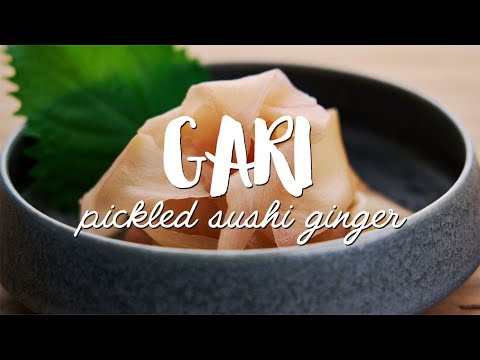
Pickled sushi ginger or Gari (ガリ) is a Japanese pickle made by brining thin slices of young ginger in vinegar, sugar, and salt. It has a refreshing sweet and sour taste with a hint of spiciness, making it a popular side dish to serve with sushi.
It’s a great way to preserve fresh ginger, though, and my instructions for how to make sushi ginger will have your imagination sparking. I’ve found it makes for a delicious condiment that can be added to anything from stir-fries to sandwiches to soups, and it even makes for a delicious topping for hotdogs.
- Pickled Sushi Ginger (ガリ - Gari)
- Why My Recipe Works
- Ingredients for Sushi Ginger
- How to Make Japanese Pickled Ginger
- Other Sushi Recipes
- 📖 Recipe
- FAQ
- Comments
Why My Recipe Works
- Young ginger is more tender and less potent than fully matured ginger, which is why it’s usually used for making my sushi ginger recipe.
- Boiling the ginger after slicing it tames the heat of the ginger to a comfortable level.
- Adding the pink ginger shoots to the pickling brine gives the gari a coral pink color.
Ingredients for Sushi Ginger
- Young ginger - Gari is best made with young ginger. This is the rhizome of an immature ginger plant. It can be identified by the pale yellow color of its skin and the bright pink shoots that come off of it. If you can’t find it in your regular supermarket, try checking an Asian grocery store.
- Rice vinegar - Sushi ginger is traditionally made with rice vinegar; however, distilled vinegar and apple cider vinegar will work fine.
- Sugar - The sugar balances out the tartness of the vinegar and the spiciness of the ginger. You can adjust the amount of sugar to suit your tastes.
- Salt - Salt helps preserve the ginger and offsets some of the sweetness of the sugar, but because sushi tends to be quite salty, I don’t like adding very much salt to my Gari.
- Konbu - This one is optional, but dried konbu (kelp) is loaded with glutamic acid, an amino acid that gives foods the taste of umami .

How to Make Japanese Pickled Ginger
After you’ve washed the ginger well, cut off any pink shoots and set them aside. Then you want to segment the ginger into manageable pieces. Next, use a spoon to scrape off the skin. This is the best way to peel ginger because it allows you to get into the nooks and crannies around the nodes.
To slice the ginger, I like using a mandoline because it’s faster and more consistent, but you can do it with a sharp knife as well. The thinner you slice the ginger, the less spicy it will be. The thicker you slice it, the crunchier the texture will be. I like going with a thickness that’s about 1.5mm (.06 inches), which is about the thickness of a penny.
Boil a pot of water, and then add the ginger. Allow the water to return to a boil, and then cook the ginger for one to two minutes. The longer you boil it, the less spicy it will be, but the ginger will get soft if you let it go too long. Next, drain the ginger and set it aside. By the way, the liquid you drain off from the ginger is essentially shogayu (ginger tea) , so if you like ginger, I recommend hanging onto it. It’s delicious warm or makes a refreshing herbal iced tea along with some mint and lemon.
To make the pickling brine, add the vinegar, sugar, salt, konbu, and pink ginger shoots to a non-reactive saucepan and heat it just long enough to dissolve the sugar and salt. Don’t let it boil, or you’ll lose too much acidity.
Put the ginger in a glass container or jar and pour the hot pickling brine over it. Stir everything together to make sure it’s well distributed, and then pat the ginger down, so it’s fully submerged. Let the sushi ginger pickle in the refrigerator for at least a day. This Gari recipe gets better for about a week though, so I recommend letting the ginger pickle for longer. Gari will keep for months in the fridge, so make a big batch and enjoy! I used Gari to season the rice in my Inari Sushi recipe, so be sure to save some for making these delicious stuffed tofu pouches.
Other Sushi Recipes
- California Roll
- Spicy Salmon Temaki
- Spicy Tuna Roll (3-ways)
- Chirashi Sushi
- Tempura Shrimp Roll
📖 Recipe

Equipment
Units
Ingredients1x2x3x
- 345 grams young ginger
- 1 cup rice vinegar
- 140 grams evaporated cane sugar (~⅔ cup)
- 5 grams salt (~1 teaspoon)
- 5 grams konbu (2x4 inches)
Instructions
- Cut off the pink ginger shoots from 345 grams young ginger and set them aside. Cut the ginger into manageable pieces and then peel it using a spoon.
- Thinly slice the ginger using a sharp knife or mandoline.
- Bring a pot of water to a boil and add the ginger. Let this come back to a boil and cook for 1-2 minutes. Drain the ginger and set it aside.
- In a non-reactive saucepan, add the vinegar 1 cup rice vinegar , 140 grams evaporated cane sugar , 5 grams salt , 5 grams konbu , and pink ginger shoots and heat it until the sugar and salt are fully dissolved. Do not let it boil.
- Put the drained ginger in a non-reactive container and then pour the hot brining liquid over it. Mix it around to ensure the liquid is evenly distributed and the ginger is fully submerged. Let this pickle in the refrigerator for at least 24 hours.
Nutrition Facts
Gari (ガリ) is a type of Japanese pickled ginger that’s often served as a side dish for sushi. It’s made by pickling young ginger in a brine made out of rice vinegar, sugar, and salt, giving it a refreshing sweet and sour taste. The Japanese name “gari” is an onomatopoeia for the sound the ginger makes when you bite into it.
Gari is a two-syllable name that is pronounced as follows: ga like go ne ri the " ri " sound does not exist in the English language, and the best way to make it is to say the word “ream” with the tip of your tongue at the front of your mouth.
Although it’s often rumored that sushi ginger is supposed to prevent food poisoning from eating raw fish, this claim is highly unlikely. Various compounds found in ginger, such as Gingerol and Paradol, demonstrate anti-microbial activity, but this is unlikely to make much of a difference if you end up getting some bad fish. Instead, the more likely reason for serving gari with sushi is that it acts as a palate cleanser, allowing you to enjoy the next bite of sushi without having the taste of the last one linger in your mouth.
Most commercially available sushi ginger has food coloring added to make it pink; however, Gari prepared the traditional way will have a coral pink hue. The color comes from the pink ginger shoots that are usually still attached to young ginger rhizomes. The vinegar extracts pH sensitive anthocyanins from the shoots and gives the sushi ginger a naturally pink color.
Young ginger is milder, more tender, and less fibrous than fully matured ginger, which is why it’s used for making Gari. If you can’t find it, you can still make it with fully matured ginger; however, you’ll want to slice it thinner, and I recommend boiling it a second time using fresh water.
As long as the sugar you use is plant-based, your gari will be too.

Pickled Sushi Ginger (Gari)
Equipment
- 1 mandoline
- 1 Paring Knife
- 1 Cutting Board
- 1 small stainless saucepan
- 1 Square Storage Container
Ingredients
- 345 grams young ginger
- 1 cup rice vinegar
- 140 grams evaporated cane sugar (~⅔ cup)
- 5 grams salt (~1 teaspoon)
- 5 grams konbu (2x4 inches)
Instructions
- Cut off the pink ginger shoots from 345 grams young ginger and set them aside. Cut the ginger into manageable pieces and then peel it using a spoon. 345 grams young ginger
- Thinly slice the ginger using a sharp knife or mandoline.
- Bring a pot of water to a boil and add the ginger. Let this come back to a boil and cook for 1-2 minutes. Drain the ginger and set it aside.
- In a non-reactive saucepan, add the vinegar 1 cup rice vinegar , 140 grams evaporated cane sugar , 5 grams salt , 5 grams konbu , and pink ginger shoots and heat it until the sugar and salt are fully dissolved. Do not let it boil. 1 cup rice vinegar, 140 grams evaporated cane sugar, 5 grams salt, 5 grams konbu
- Put the drained ginger in a non-reactive container and then pour the hot brining liquid over it. Mix it around to ensure the liquid is evenly distributed and the ginger is fully submerged. Let this pickle in the refrigerator for at least 24 hours.
