
What is Miso Soup?
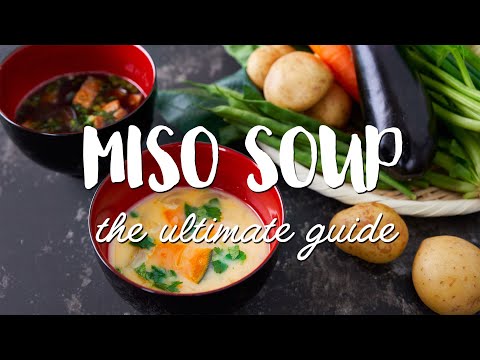
Miso Soup or Misoshiru (味噌汁) is a traditional Japanese soup that can accompany a bowl of rice for any meal of the day; however, it’s a staple of Japanese breakfasts. It’s made with dashi stock, miso paste, and solid ingredients such as vegetables, tofu, and dried seaweed, and I’ve got three different miso soup recipes to show you using three types of miso.
- What is Miso Soup?
- Miso Soup Ingredients
- Miso Paste
- Vegan Miso Soup
- How to Make Miso Soup
- 📖 Recipe
- 📖 Recipe
- 📖 Recipe
- FAQ
- Comments
Miso Soup Ingredients

Dashi
I see a lot of recipes for Miso Soup out there using water as the base. This is like making chicken soup with just water and salt without the chicken. Dashi is a defining component of miso soup, and along with miso and water, it’s the only other required ingredient. You can read all about how to make dashi here , but it’s traditionally made with a combination of kombu (kelp) and some kind of dried fish (such as katsuobushi, niboshi, or yakiago). These days there are convenient dashi packs you can use, as well as instant dashi granules, though these will not taste as good as making it from scratch. For plant-based dashi, you can use the kelp stock without adding dried fish, or rehydrate shiitake mushrooms in it to give your vegan dashi more umami.
Miso Paste
Miso is a versatile, fermented soybean paste integral to Japanese cuisine. It’s made primarily from soybeans, salt, and a culture starter known as koji (which can be propagated on rice, barley, or soybeans). Its rich, umami-laden flavor results from aging it from a few days to several years.
Vegetables
I like my miso soup to be loaded up with so many veggies that it almost looks like a stew. Vegetables not only add color, nutrients, and fiber to the soup, they also contribute to the flavor of the soup. Because I like my miso soup to have a subtle sweetness, I tend to add at least one sweeter vegetable such as carrots, onions, sweet potato, or kabocha. Here are just a few suggestions of the types of vegetables you can add.
- Root vegetables - whether you’re talking carrots, sweet potatoes, onions, or burdock, root vegetables contribute both flavor and bulk to your miso soup. These tend to take the longest to cook through, which is why I like to add them at the very beginning.
- Squashes - Kabocha, butternut squash, and acorn squash are a few that come to mind right away, but zucchini and other softer squash will work as well. Add these in at the beginning as they take a while to cook through.
- Eggplants - Despite being relatively soft, eggplant requires a surprising amount of time to cook through, so I usually recommend adding them relatively early on, unless you’re planning to add some very tough root vegetables.
- Green vegetables - Green veggies like green beans, okra, asparagus, broccoli shouldn’t go in at the beginning, or they’ll end up losing their color and getting mushy. That being said, they need more time to cook than leafy greens, so these go into the soup in somewhere in the middle.
- Leafy greens - You can use almost any leafy green ranging from spinach to cabbage, to kale, to molokhia. Unless it’s something I want very tender, such as cabbage, I usually put leafy greens in at the very end to preserve their color.
- Sea vegetables (a.k.a. seaweed) -In Japan, there are dozens of seaweed varieties, most of which are fair game for adding to miso soup. The most common one is dried wakame seaweed. Because seaweed cooks very quickly it will turn to mush if you overcook it, so save it until the very end.
Tofu
Pretty much anything tofu-related is fair game here, including ganmodoki (tofu fritter), aburaage (thin fried tofu), atsuage (thick fried tofu), koyadofu (freeze-dried tofu), and of course plain old firm or silken tofu. If the tofu has been fried, I usually put it in just before adding the miso, if it hasn’t been fried I’ll add it after adding the miso. This is because raw tofu can fall apart while you’re trying to get the miso to dissolve.
Garnishes
Garnishes such as scallions (green onions), aonori, and mitsuba can be added straight into the bowl when you serve the miso soup.
Vegan Miso Soup
Although most dashi includes dried fish, making miso soup plant-based is as simple as using plant-based dashi. You can head to my post about making dashi from scratch to learn about making a plant-based dashi. As for the miso, most miso is vegan-friendly , but just be sure to read the ingredient label to make sure it doesn’t include any fish.

How to Make Miso Soup
Once you have all the ingredients, the process for making miso soup is straightforward. The first step is to cook the hard ingredients such as carrots and potatoes in dashi broth until they’re tender.
Then you just have to add the miso. I like to dissolve the miso with some of the broth in a ladle or small bowl using chopsticks before adding it to the soup. This prevents clumps of undissolved miso. Boiling the soup after the miso has been added will cause it to separate, which is why it’s important to turn down the heat before you add the miso. Because different types of miso can have varying levels of salinity, it’s also important to taste the soup as you add the miso mixture so you don’t make it too salty.
After the miso has been added, you can add delicate things such as tofu, as well as any leafy greens or sea vegetables that you don’t want to overcook.
Finally, you can stir in garnishes such as scallions and mitsuba when you serve your soup.
Serve miso soup as an accompaniment to any Japanese meal, along with other side dishes like Japanese short grain rice , Japanese pickles , Spinach Ohitashi , Soy Sauce Butter Rice , Seaweed Salad , or a green salad dressed with Sesame Dressing .
📖 Recipe

Equipment
Units
Ingredients1x2x3x
- 1 ½ cups dashi stock
- 75 grams kabocha pumpkin sliced
- 50 grams onion sliced
- 2 tablespoons white miso add more to taste
- mitsuba chopped, for garnish
Instructions
- Add the 1 ½ cups dashi stock , 75 grams kabocha pumpkin , and 50 grams onion to a pot bring to simmer. Cook until the kabocha is tender.
- Turn down the heat and add the 2 tablespoons white miso , dissolving it in a ladle first before adding it to the soup.
- Serve the white miso soup garnished with mitsuba .
Nutrition Facts
📖 Recipe

Equipment
Units
Ingredients1x2x3x
- 1 ½ cups dashi stock
- 30 grams carrots thinly sliced
- 1 tablespoon miso add more to taste
- 90 grams soft tofu cubed
- 40 grams spinach chopped
Instructions
- Add the 1 ½ cups dashi stock and 30 grams carrots to a pot and simmer until the carrots are tender.
- Turn down the heat and add 1 tablespoon miso , dissolving it in a ladle first to avoid clumps of miso.
- Add the 90 grams soft tofu and 40 grams spinach . The miso soup is ready when the tofu has heated through.
Nutrition Facts
📖 Recipe

Equipment
Units
Ingredients1x2x3x
- 1 ½ cups dashi stock
- 75 grams eggplant
- 30 grams aburaage thin fried tofu
- 1 tablespoon miso add more to taste
- scallions chopped, for garnish
Instructions
- Add the 1 ½ cups dashi stock and 75 grams eggplant to a pot and bring to a simmer. Cook until the eggplant is tender.
- Add the 30 grams aburaage and cook until it’s heated through.
- Dissolve 1 tablespoon miso in a ladleful of soup. Serve the miso soup and garnish with scallions .
Nutrition Facts
Miso paste is made with various ingredients; some miso includes barley, which is not gluten-free. If you want to make gluten-free miso soup, look for rice miso (米味噌 - kome miso) made with rice koji, which should be gluten-free. Also, check the ingredient label to ensure it is not blended with barley or wheat.
Healthy is such a relative term, so it depends on what you consider healthy and how the soup is made. Personally, I like to load up my miso soup with tons of vegetables so that it’s more like a stew. This ensures you get a great mix of textures and tastes while incorporating a wide variety of nutrients. One thing to watch out for is that miso contains a lot of salt, so be careful of how much miso you add if you are watching your sodium intake.
This is going to vary widely on what is in the miso soup. Typically it’s going to run from around 80-120 calories, but if you add high-calorie ingredients like pork belly to it, the number of calories can increase significantly.
Traditional miso soup is made with dashi stock, typically made with smoked skipjack tuna flakes, so it is not vegan. That being said, it’s possible to make plant-based dashi stock from kelp and shiitake mushrooms, making the miso soup both vegan and vegetarian friendly.

White Miso Soup
Equipment
- 1 small stainless saucepan
- 1 ladle
- 1 Cooking Chopsticks
Ingredients
- 1 ½ cups dashi stock
- 75 grams kabocha pumpkin sliced
- 50 grams onion sliced
- 2 tablespoons white miso add more to taste
- mitsuba chopped, for garnish
Instructions
- Add the 1 ½ cups dashi stock , 75 grams kabocha pumpkin , and 50 grams onion to a pot bring to simmer. Cook until the kabocha is tender. 1 ½ cups dashi stock, 75 grams kabocha pumpkin, 50 grams onion
- Turn down the heat and add the 2 tablespoons white miso , dissolving it in a ladle first before adding it to the soup. 2 tablespoons white miso
- Serve the white miso soup garnished with mitsuba . mitsuba
Video
Nutrition

Yellow Miso Soup
Equipment
- 1 small stainless saucepan
- 1 ladle
- 1 Cooking Chopsticks
Ingredients
- 1 ½ cups dashi stock
- 30 grams carrots thinly sliced
- 1 tablespoon miso add more to taste
- 90 grams soft tofu cubed
- 40 grams spinach chopped
Instructions
- Add the 1 ½ cups dashi stock and 30 grams carrots to a pot and simmer until the carrots are tender. 1 ½ cups dashi stock, 30 grams carrots
- Turn down the heat and add 1 tablespoon miso , dissolving it in a ladle first to avoid clumps of miso. 1 tablespoon miso
- Add the 90 grams soft tofu and 40 grams spinach . The miso soup is ready when the tofu has heated through. 90 grams soft tofu, 40 grams spinach
Nutrition

Red Miso Soup
Equipment
- 1 small stainless saucepan
- 1 ladle
- 1 Cooking Chopsticks
Ingredients
- 1 ½ cups dashi stock
- 75 grams eggplant
- 30 grams aburaage thin fried tofu
- 1 tablespoon miso add more to taste
- scallions chopped, for garnish
Instructions
- Add the 1 ½ cups dashi stock and 75 grams eggplant to a pot and bring to a simmer. Cook until the eggplant is tender. 1 ½ cups dashi stock, 75 grams eggplant
- Add the 30 grams aburaage and cook until it’s heated through. 30 grams aburaage
- Dissolve 1 tablespoon miso in a ladleful of soup. Serve the miso soup and garnish with scallions . 1 tablespoon miso, scallions
